

Why Runners Need Strength Training (Even If You Hate the Gym)
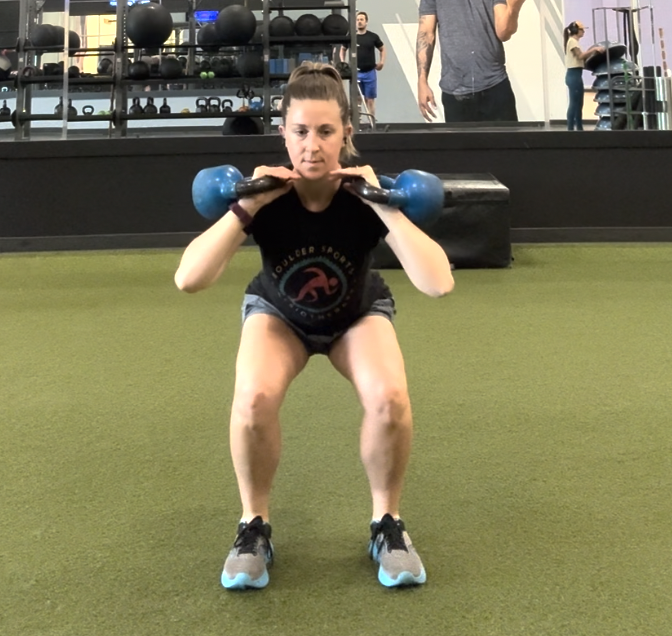
Runners and athletes hear it all the time: “you should be strength training.” But for many, that advice immediately brings up visions of long, exhausting gym sessions, heavy weights, and sore legs that interfere with training. The truth is, most injuries we see in physical therapy don’t happen because you “did one thing wrong”— they happen because your body wasn’t strong enough to handle the repeated demands of your sport over time (combined with stress, nutrition, sleep, etc.).
Strength training is one of the most effective tools for injury prevention (van der Horst et al., 2018), yet it’s often misunderstood and overcomplicated. The good news? It doesn’t have to take hours nor leave you feeling incredibly sore and exhausted. In this article, we’ll break down why strength training matters so much for runners and athletes, how it helps protect against common overuse injuries, and what actually makes a strength program effective for injury prevention. We’ll also show how short, intentional strength sessions—designed with performance and recovery in mind—can support your training, your lifestyle, and your busy schedule. Stronger is better, stronger is smarter, stronger is more resilient.
Why Injuries Happen: A Physical Therapist’s Perspective
From a physical therapist’s perspective, most running and sports-related injuries aren’t caused by a single bad workout or a tweak that happened during a single run. They develop over time, brewing in the background until the tissue can take on no more load. Common overuse injuries like tendinopathies, stress fractures, IT band pain, plantar fasciitis, and hip or knee pain all share a similar story: the tissue is asked to tolerate more load than it’s prepared to handle. With running, the body absorbs thousands of repetitive forces each session, often at 2–3 times body weight. When training volume, intensity, or frequency increases faster than the body can adapt, tissues like tendons, bones, and joints begin to break down rather than rebuild. This process explains why pain often seems to “come out of nowhere,” even when nothing about form, stress, or shoes has changed.
A helpful way to understand this is the concept of load versus capacity. Load is the stress placed on the body through running or sport, and capacity is how much stress the tissue can tolerate. Injury occurs when load exceeds tissue capacity, especially when recovery is insufficient (Drew & Finch, 2016).
While running is excellent for aerobic fitness and sport-specific adaptation, running alone does not build full-body resilience long term. It does little to strengthen tendons, improve bone density, or address strength imbalances that affect how forces are distributed through the hips, knees, and ankles. This is where strength training plays a critical role— by increasing tissue capacity, allowing the body to better tolerate the repetitive loads of running allowing injuries to happen less often (van der Horst et al., 2018). Let’s break this down a bit further (pun intended, but the literal sense not intended).
How Strength Training Prevents Injuries
Strength training prevents injuries not by making athletes “stronger” in the traditional sense, but by helping the body better tolerate the repetitive forces of running and sport. When done intentionally, strength training improves how tissues adapt to load, how joints absorb and control forces, and how efficiently the body moves under stress. From a physical therapy perspective, this isn’t about chasing a 1-rep max or lifting as heavy as possible—it’s about building resilience where runners and athletes need it most. Here’s how strength training plays a direct role in injury prevention:
Improves Tendon & Bone Health: Tendons and bones adapt best to progressive, controlled loading. Strength training stimulates collagen remodeling in tendons and increases bone density, helping these tissues better withstand the repetitive impact of running. This is especially important for reducing the risk of tendinopathy and stress-related bone injuries.
Enhances Joint Stability & Control: Strong, well-coordinated muscles help stabilize joints like the hips, knees, and ankles during high-impact and single-leg activities. Strength training improves neuromuscular control, allowing joints to manage load more effectively and reducing excessive strain on passive structures.
Reduces Compensations & Overload: When certain muscles or movement patterns are underprepared, the body compensates by shifting load elsewhere. Over time, these compensations increase stress on specific tissues. Strength training addresses these weak links, allowing force to be distributed more evenly across the body.
Supports Better Running Economy & Performance: Strength doesn’t slow runners down—it often makes them more efficient. By improving force production and control, strength training can reduce energy leaks during running, leading to better economy, improved performance, and a lower risk of breakdown under fatigue.
The Biggest Strength Training Myth
A common misconception is that strength training has to involve long, grueling gym sessions, heavy lifting, or confidence in using a barbell to be effective. The truth is, strength training for injury prevention doesn’t need to look like a bodybuilding routine or consume hours of your week. Research in runners shows that even short, focused strength training sessions can meaningfully reduce injury risk and improve tissue resilience. For example, Nielsen et al. (2019) tested a 10-minute strength routine performed three times per week in first-time marathon runners and found that participants who followed the program had fewer overuse-related disruptions during training compared with those who did not. Similarly, physiotherapist-guided hip and core strengthening programs performed regularly in recreational runners have been shown to reduce lower-extremity injuries and improve load distribution across joints, highlighting the importance of targeted, consistent training for preventing common running injuries. These findings align with broader evidence on minimal effective training doses, which demonstrates that two to three short sessions per week, even using minimal equipment or bodyweight, can produce meaningful adaptations in muscles, tendons, and joints (Spiering et al., 2021). Together, this research reinforces the concept that strength training doesn’t need to be long or exhausting to provide protective benefits—it just needs to be consistent, targeted, and appropriately dosed for you.
Examples of Efficient Strength Training for Runners & Athletes
Strength training for runners and athletes doesn’t need to be complicated or time-consuming to be effective. Even short, focused sessions—done consistently—can improve muscle strength, tendon resilience, and joint stability, helping prevent injuries and support better performance. The key is to structure workouts efficiently and focus on the most impactful movements. Below is a practical framework that can be adapted for home workouts, quick sessions between runs, or incorporated into physical therapy visits, without requiring a full gym or lengthy routine.
Sample Framework:
Warm-up: 5 minutes of light movement (e.g., dynamic stretches, bodyweight squats, or glute activation exercises)
Number of exercises: 4–6 total
Sets/ per exercise: 2–3 sets of 8-10 repetitions
Where/ it can be done:
At home or in a Gym
During PT sessions
Before/after runs or on cross training days
As a movement break during your workday
Movement Categories to Highlight:
Single-leg strength: split squats, step-ups, single leg RDLs, lunges
Calf and ankle loading: calf raises, ankle stability drills (i.e. balance exercises)
Squat movements: regular squats, sumo squats, split squats
Hip hinge patterns: deadlifts, hip bridges
Core stability: anti-rotation holds, planks, bird dogs, copenhagens, carries, chops/lifts, pelvic floor and breathing exercises
This approach ensures runners and athletes build targeted strength, balance, and stability efficiently, without overwhelming their schedule or energy levels.
How Physical Therapy Makes Strength Training Safer and More Effective
Physical therapy makes strength training safer and more effective because it goes beyond generic, one-size-fits-all programs that often miss key individual needs. Online routines are great, but they may not account for a runner’s injury history, movement patterns, or muscular imbalances, which can limit results or even increase injury risk. In contrast, PT-guided strength programs are tailored to each athlete’s unique body and goals, ensuring that every exercise is purposeful and supportive rather than risky. Some of the main benefits include:
Individualized to injury history: Exercises are chosen based on past injuries, current weaknesses, and tissue limitations, reducing the risk of aggravating old injuries.
Addresses asymmetries: Targeted work balances left-right or front-back strength differences, helping prevent compensations that often lead to overuse injuries.
Progresses safely alongside running volume: Programs are carefully scaled to integrate with your running schedule, allowing tissue adaptation without compromising training or recovery.
By combining clinical expertise with targeted strength work, physical therapy programs help athletes not just recover but build long-term resilience. At Boulder Sports Physiotherapy, our approach is performance-oriented, prevention-focused, and athlete-centered, ensuring that every session supports both your current training and your long-term health.
Final Takeaway
Strength training is one of the most powerful tools runners and athletes can use to prevent injuries, improve joint stability, and enhance overall performance. It doesn’t have to mean long, exhausting gym sessions - research supports short, consistent workouts focused on key movement patterns like single-leg strength, hip hinge exercises, calf and ankle loading, and core stability just 2–3 times per week. Physical therapy takes this a step further by individualizing programs, addressing asymmetries, and safely progressing strength alongside your running or training volume. If you want to build resilience, move smarter, and stay injury-free, consider working with a PT at Boulder Sports Physiotherapy to develop a program tailored to you. Start small, stay consistent, and watch your strength protect every step you take—because stronger bodies run longer and recover faster!
References:
1. van der Horst, N., et al. (2018). Strength training as superior, dose-dependent and safe prevention of acute and overuse sports injuries: a systematic review, qualitative analysis and meta-analysis. British Journal of Sports Medicine.
2. Drew, M. K., & Finch, C. F. (2016). The relationship between training load and injury, illness and soreness: a systematic and literature review. Sports medicine, 46(6), 861-883.
3. Nielsen, R. Ø., et al. (2019). A randomized study of a strength training program to prevent injuries in runners of the New York City Marathon. PMCID PMC6931177. https://www.ncbi.nlm.nih.gov/pmc/articles/PMC6931177/
4. Spiering, B. A., Mujika, I., Sharp, M. A., & Foulis, S. A. (2021). Maintaining physical performance: The minimal dose of exercise needed to preserve endurance and strength over time. Journal of Strength and Conditioning Research, 35(5), 1449–1458. https://pubmed.ncbi.nlm.nih.gov/33629972/