

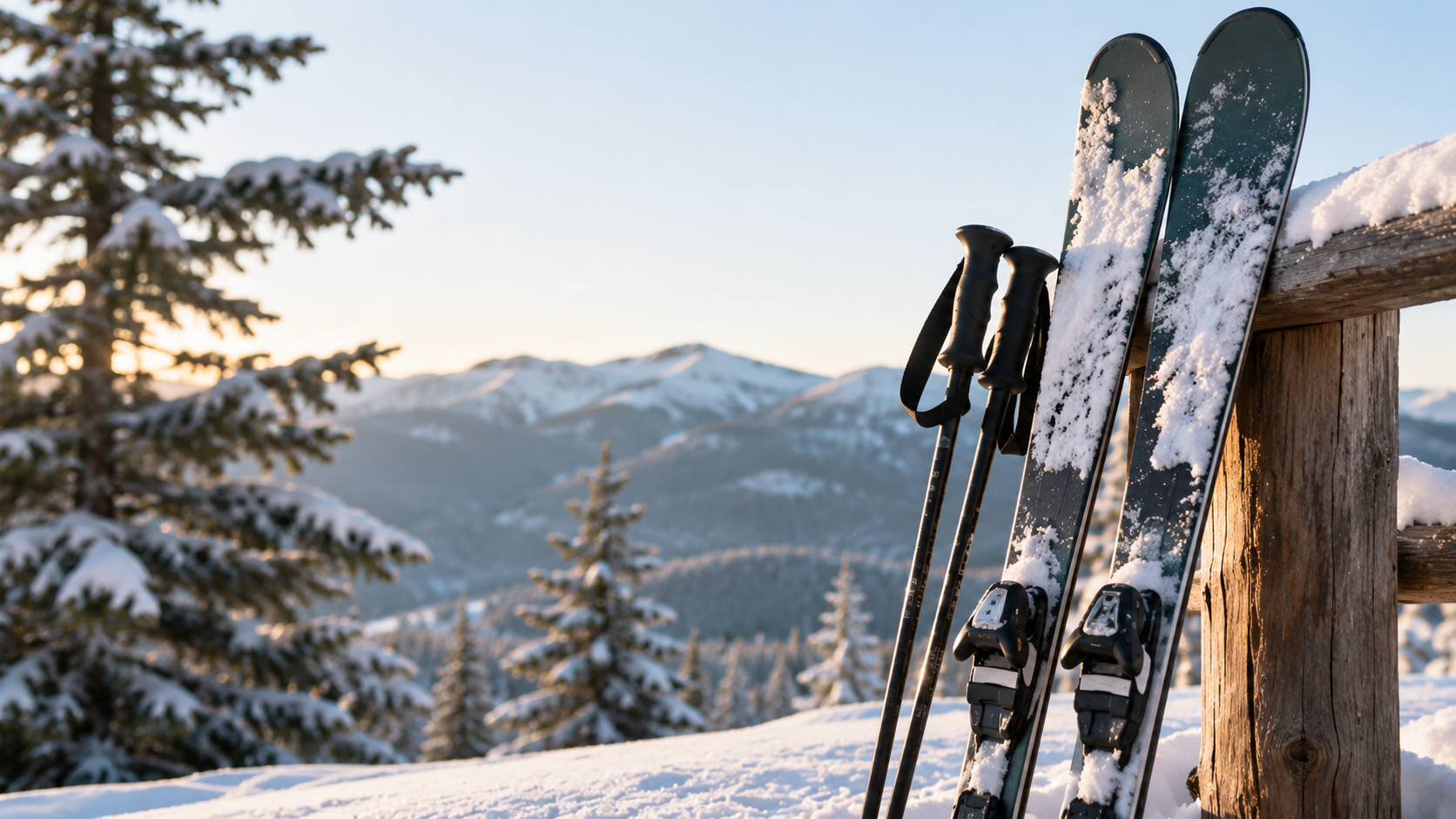
Ski season is here! For many of us on the Front Range, that means trading our bikes and running shoes for ski boots and heading back into the mountains. Even if you've spent the summer cycling, running, or hiking around Boulder, your first few days skiing can still leave your legs surprisingly sore. That's because skiing challenges your muscles in ways those activities don't fully replicate.
Some muscle soreness is expected when returning to skiing, but not every ache is something you should push through. Understanding why skiing is so demanding, and how a little ski season prep goes a long way, can help you feel stronger, manage early-season soreness, and make the most of your time on the mountain.
Why Skiing Is So Demanding on Your Knees and Hips
Skiing places substantial demands on your quadriceps, glutes, hamstrings, and calves. Unlike running or cycling, skiing requires you to maintain a relatively flexed position while repeatedly absorbing forces, controlling your edges, and shifting your weight from side to side. These demands become especially noticeable during longer runs, challenging terrain, and those first few outings of the season.
Your quadriceps play an especially important role because they help control knee flexion and absorb forces during turns. Much of this involves eccentric muscle contractions, which occur when a muscle generates force while lengthening (1). Think about slowly lowering yourself into a squat. Your quadriceps are working to control the movement rather than simply allowing gravity to pull you down. Now imagine repeating that movement hundreds of times while navigating variable terrain.
Your hips are equally important. The glutes and surrounding hip muscles contribute to lower-extremity control, while your trunk helps maintain balance through turns and unexpected changes in terrain. Building strength throughout your lower body improves your ability to manage these demands, although no single exercise or muscle group can eliminate the risk of skiing-related injuries.
The takeaway: Being fit doesn't automatically mean you're conditioned for skiing. Even if you have excellent cardiovascular endurance, preparing for the specific strength and muscular endurance demands of the sport can make a meaningful difference.
Why Your Legs Get So Sore Early in Ski Season
If you've ever struggled to walk down stairs the day after your first ski outing, you've experienced delayed onset muscle soreness, or DOMS. This type of soreness commonly develops after unfamiliar or demanding exercise, particularly when it involves substantial eccentric loading. Symptoms typically peak within 24–72 hours and gradually improve over the following days.
Fortunately, your body adapts through something called the repeated bout effect. After an initial bout of challenging eccentric exercise, subsequent sessions often produce less soreness and muscle disruption (2). This helps explain why your first ski day might leave you hobbling around, while later outings feel significantly more manageable.
It's also one of the reasons preseason strength training is so valuable. By gradually introducing challenging lower-body exercises before ski season, you can begin building tolerance to some of the muscular demands you'll encounter on the mountain. You may still experience soreness after your first day, but your legs will be better prepared for the work ahead.
Your 6-Week Ski Season Prep Plan
Ideally, start preparing about six weeks before your first ski day. The goal isn't to exhaust yourself with endless wall sits or hundreds of squats, but to progressively build strength, muscular endurance, and control.
Aim for 2–3 strength sessions per week, allowing recovery between challenging workouts. Choose resistance that makes the final few repetitions challenging while maintaining good technique, and gradually increase the difficulty as your strength improves. If you're already strength training regularly, you may only need to modify your existing routine to incorporate more skiing-specific demands.
Weeks 1–2: Build Your Foundation
Focus on lower-body strength and controlled eccentric loading. These exercises target the major muscle groups involved in skiing while challenging your ability to control movement through the hips, knees, and ankles.
Slow Tempo Squats (3 × 8–10): Lower for 4 seconds to build eccentric quadriceps strength.
Step-Downs (3 × 8 per leg): Slowly lower your opposite heel toward the floor with control.
Single-Leg RDLs (3 × 8 per leg): Strengthen the hamstrings and glutes while challenging balance.
Lateral Lunges (3 × 8 per side): Build strength through side-to-side movement.
Calf Raises (3 × 10–15): Strengthen the lower legs. Add resistance as you progress.
Weeks 3–4: Increase Strength and Control
Continue progressing your primary strength exercises by increasing resistance. Introduce more dynamic movements to challenge balance, coordination, and your ability to absorb force.
Add the following exercises:
Loaded Split Squats (3 × 8 per leg): Build single-leg strength and control.
Lateral Bounds (3 × 6 per side): Hop side to side, pausing to control each landing.
Side Planks (3 × 20–30 seconds per side): Improve trunk strength and stability.
You don't need to complete every exercise in each session. Continue prioritizing your primary strength exercises while incorporating one or two additional movements that challenge lateral control and coordination.
Weeks 5–6: Build Ski-Specific Endurance
Maintain your strength training while increasing your ability to tolerate repeated muscular demands. Incorporate longer-duration holds and more challenging dynamic movements alongside continued resistance training.
Squats or Split Squats (3 × 6–8): Continue building strength with heavier resistance.
Step-Downs (3 × 10 per leg): Maintain slow, controlled lowering.
Lateral Bounds (3 × 8 per side): Progress distance while maintaining controlled landings.
Wall Sits (3 × 30–60 seconds): Build sustained quadriceps endurance.
Single-Leg RDLs (3 × 8 per leg): Maintain posterior-chain strength and control.
Remember that the goal is to progressively challenge your muscles, not simply accumulate more exercises. As your first ski day approaches, avoid introducing unfamiliar training that leaves you excessively sore.
Don't Forget Cardiovascular Conditioning
Strength is only one component of ski preparation. Continue incorporating cycling, running, hiking, or other aerobic activities into your routine to maintain cardiovascular fitness and endurance. If you're already an endurance athlete, you likely have a solid aerobic foundation, but targeted strength training remains valuable for preparing your body for skiing's unique demands.
Tips for Your First Days Back on the Mountain
Even with a solid preseason training program, it's worth easing into your first few ski days. Your body needs time to readjust to skiing, and a gradual return can help you manage soreness while rebuilding confidence.
Consider a shorter first day. A half day or additional breaks can help you gradually rebuild tolerance.
Warm up on easier terrain. Give yourself a few runs to get comfortable before tackling more challenging slopes.
Check your equipment. Have your bindings inspected and adjusted by a qualified ski technician, particularly if your weight, boots, or skiing ability have changed.
Pay attention to fatigue. Adjust your terrain, intensity, and breaks based on how your legs are feeling, especially on consecutive ski days.
Most importantly, don't feel obligated to ski at your previous season's intensity on your first day back. Even experienced skiers benefit from allowing their bodies time to adapt.
When Soreness Isn't Just Soreness
Some muscle soreness after skiing is expected, especially early in the season. Typical DOMS often feels like generalized aching or stiffness in the quadriceps, glutes, or other muscles. It usually develops gradually after activity and improves over several days.
However, not all pain after skiing should be attributed to muscle soreness. Consider seeking an evaluation if you experience:
A popping sensation associated with an injury
Significant knee swelling, especially within the first few hours
A feeling that your knee is giving way or unstable
Locking or an inability to fully straighten your knee
Sharp, localized pain rather than generalized muscle soreness
Symptoms that progressively worsen instead of improving
If you're unable to bear weight, have substantial swelling after an injury, or experience significant instability, seek prompt medical assessment. Persistent knee or hip pain also deserves attention, even if there wasn't a specific fall or injury.
Ready for Ski Season?
You don't need a complicated training program to prepare for skiing, but you do need to challenge your body in ways that reflect the demands of the sport. A combination of progressive strength training, eccentric loading, muscular endurance, and cardiovascular conditioning can help you feel more prepared when you return to the slopes.
If you're heading into ski season with lingering knee or hip pain, recovering from an injury, or unsure how to prepare your body for skiing, we're here to help. At Boulder Sports Physiotherapy, we work with active individuals to build strength, improve movement, and return to the activities they love.
Here's to a great season on the mountain!
Frequently Asked Questions
How far before ski season should I start training?
Ideally, begin approximately 6–8 weeks before your first ski day. This allows time to progressively build strength and tolerance to skiing-related demands. Even a few weeks of targeted training can be beneficial, particularly if you're already physically active.
Is it normal for my knees to hurt after the first day of skiing?
Muscle soreness in your quadriceps and surrounding muscles is common after skiing, particularly early in the season. However, localized joint pain, swelling, instability, or sharp pain shouldn't automatically be dismissed as normal soreness.
Is cycling enough to prepare for skiing?
Cycling provides valuable cardiovascular conditioning and develops lower-body endurance. However, skiing involves different movement patterns, including substantial eccentric loading and lateral control. Adding progressive strength training can help address demands that cycling alone may not fully prepare you for.